

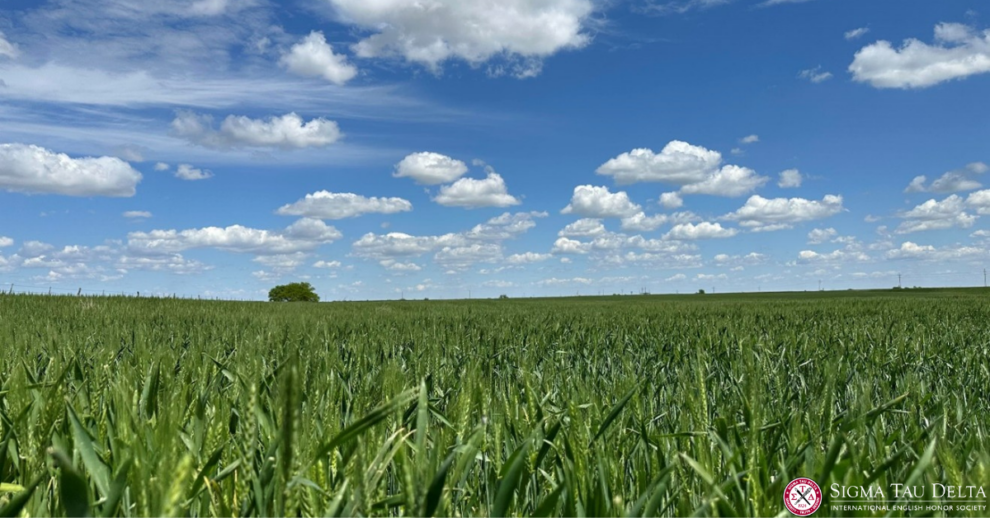
Growing up, I was under the impression that my hometown in northwestern Kansas, boasting a population of about 40, was not a particularly great place to be an artist. My initial perception was that one couldn’t produce much worthwhile work so far removed from the artistic hubs of cities or areas of greater cultural relevance, and I found living in a place synonymous with “the middle of nowhere” discouraging as a prospective writer. Consequently, I kept the limited writing I did accomplish set elsewhere.
Reading Anne of Green Gables in high school would shake me from this apathy. The novel’s pastoral setting and sense of place felt so specific and observed, such that I began to wonder if I could capture my environment’s essence in the same way. This aspiration was further set in motion when I took an American literature course that covered the literary movement of regionalism and the authors who highlighted the culture, history, and idiosyncrasies of their communities.
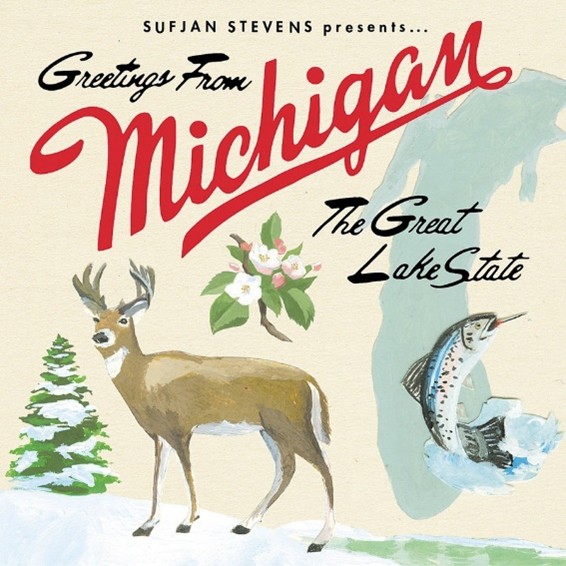 From household names like Mark Twain and Harper Lee to writers such as our 2025 Spotlight Author, Willa Cather, there are a wealth of authors who construct their settings with a specificity that endures in readers’ minds and often conveys rich social subtext. Many contemporary artists have also embodied this style to stunning effect. One of my favorite examples of this is Sufjan Stevens and his two state-themed albums, Michigan and Illinois, in which he uses the geographical and historical landscape of the American Midwest to traverse his own complex emotional terrain.
Upon attempting creative writing more seriously in college, I found myself pursuing a similar approach, placing my work firmly within the landscape I had once avoided altogether. For one short story, I attempted to achieve this verisimilitude by researching local history and state flora. I took pictures and notes of nearby landmarks to reference for various scenes. Gradually, my specific region of Kansas became an integral texture in my art as I worked on more stories and poetry. I found that contextualizing my works within my surrounding communities provided an engaging avenue to explore both particular aspects of American culture as well as the human condition more broadly.
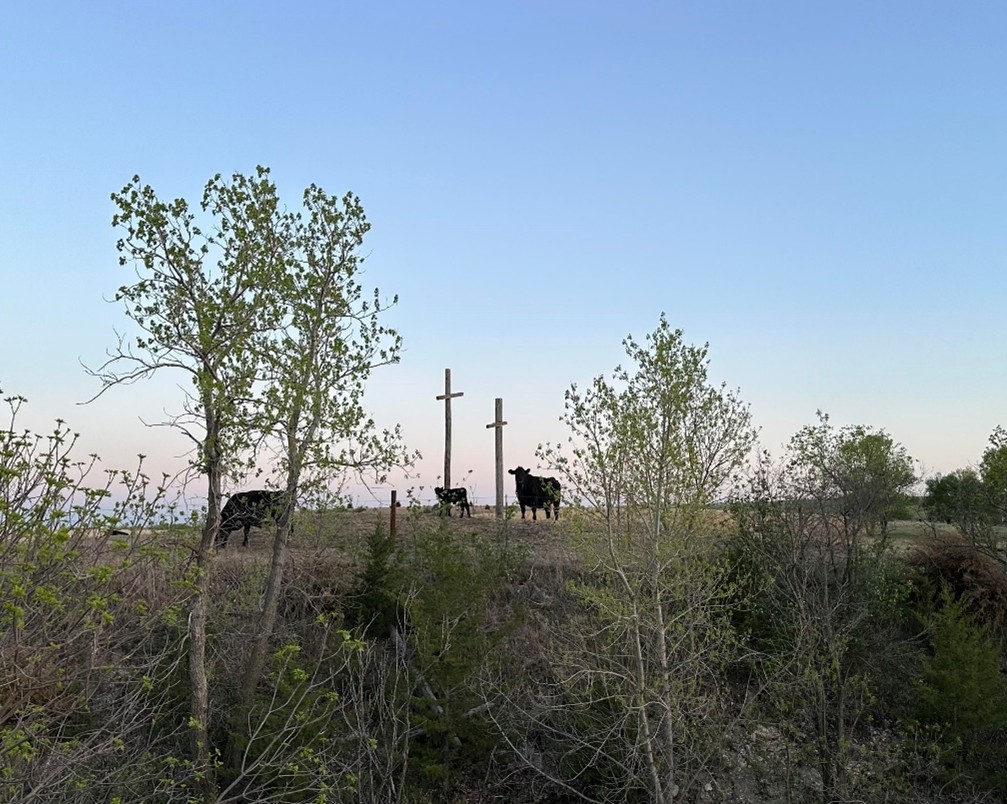
Through this process, I’ve come to learn that any place can become fertile ground for creativity when one simply appreciates the richness of their surroundings. In the same vein, I believe in the continued potential of this regionalist tradition to provide a deep well of inspiration from which writers can create uniquely personal work that still carries universal appeal.
 Isaiah Russell
Student Representative, High Plains Region, 2024-2025
Rho Psi Chapter, President
Fort Hays State University, Hays, KS
Sigma Tau Delta
Sigma Tau Delta, International English Honor Society, was founded in 1924 at Dakota Wesleyan University. The Society strives to
- Confer distinction for high achievement in English language and literature in undergraduate, graduate, and professional studies;
- Provide, through its local chapters, cultural stimulation on college campuses and promote interest in literature and the English language in surrounding communities;
- Foster all aspects of the discipline of English, including literature, language, and writing;
- Promote exemplary character and good fellowship among its members;
- Exhibit high standards of academic excellence; and
- Serve society by fostering literacy.
With over 900 active chapters located in the United States and abroad, there are more than 1,000 Faculty Advisors, and approximately 9,000 members inducted annually.
Sigma Tau Delta also recognizes the accomplishments of professional writers who have contributed to the fields of language and literature.



1